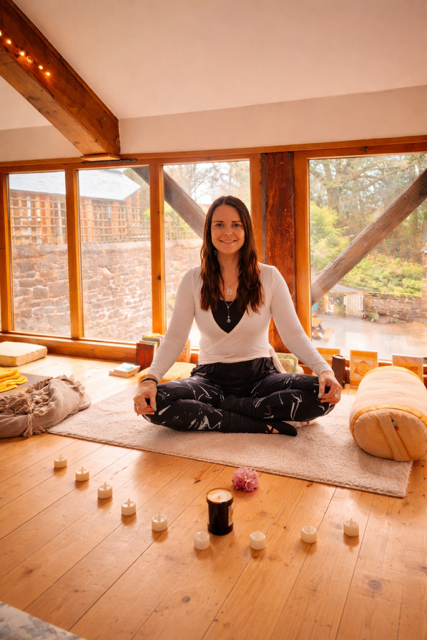
Annelie Lily
Yoga Teacher & Holistic Healer
Classic Swedish massage
A relaxing full-body massage developed by Per Henrik Ling in 18th-century Sweden. Five techniques — effleurage, petrissage, tapotement, vibration, friction.
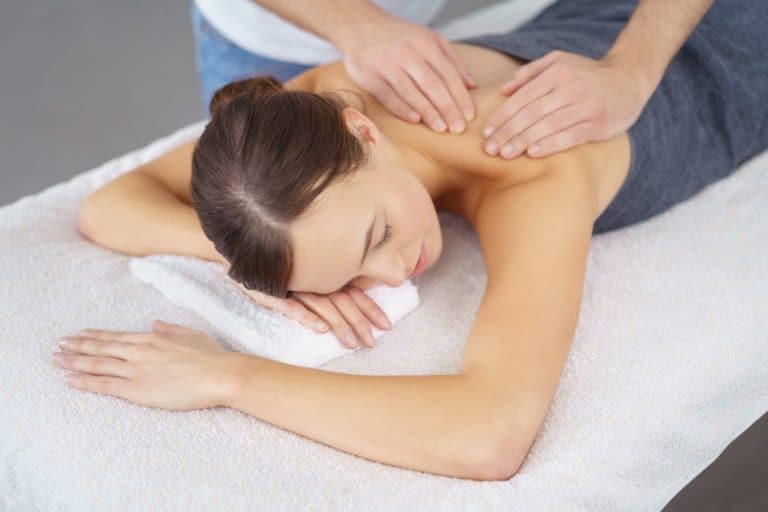
Swedish massage was developed in the 18th century in Sweden by a medical gymnast called Per Henrik Ling. He had always had an interest in Chinese martial arts and “Tuina” medical techniques — a Chinese hands-on body treatment. He combined these with his sports medicine experience to create a type of medical gymnastic system. It helped to relieve sore muscles, increase flexibility and help with general health.
Swedish massage is the most common form of massage performed today. The main aim is to relax the entire body and improve circulation and blood flow to all your large muscle groups, while helping to ease everyday tensions. The therapist will use five basic techniques: Effleurage (long gliding strokes), Petrissage (kneading and squeezing), Tapotement (tapping), Vibration, and Friction.
Pain Relief — Swedish massage can be used to help many forms of pain, particularly chronic pain and sports injuries as well as illnesses such as arthritis. Depression and anxiety — massage therapy can greatly improve your immune system and in doing so decrease levels of depression and anxiety. Physical challenges — massage can also help with many physical challenges such as digestive problems, reducing scar tissue and lower back pain.
A note on wellbeing: Swedish Massage is offered as a complementary practice for relaxation, emotional support and general wellbeing, and may help some people feel calmer and more settled. It is not a replacement for medical care, diagnosis or treatment. If you have any health concerns, please speak with a qualified healthcare professional.
From the collective
Connect directly with the Swedish Massage teachers in our Devon collective — visit their website or email them to book.